
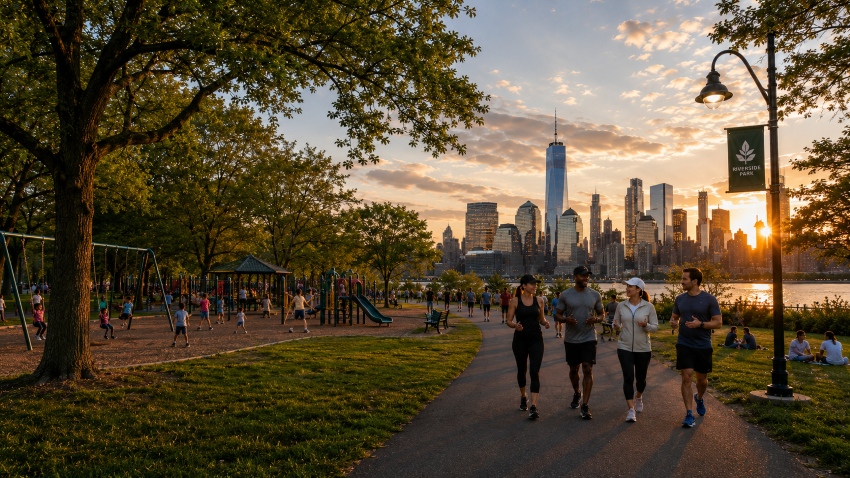

The Evolution of Motion
One of the most common things I’ve heard throughout my career is, “I know I should exercise more.”
After nearly three decades in health and wellness, I’ve learned that most people aren’t struggling because they don’t understand that movement is important. They’re struggling because they think movement has to look a certain way. They picture grueling marathons, sterile gyms, or boot camps that feel more like punishment than progress. The reality is much simpler, and frankly, much more beautiful.
Our bodies were designed to move. When we stop, we rust. But when we look at the spectrum of human life, we see that “movement” isn’t a one-size-fits-all prescription.
From Playground to Purpose
For children, movement is the language of life. It’s the monkey bars, the spontaneous races, and the endless energy of play. It builds the foundation—strong bones, coordination, and that spark of confidence that carries into adulthood.
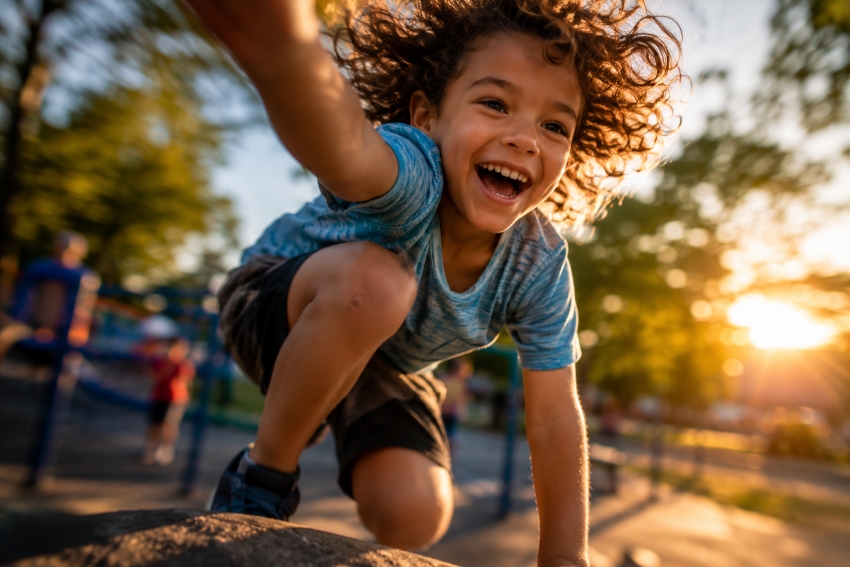
As we move into adulthood, that movement often becomes more intentional. We trade the monkey bars for hiking trails, tennis courts, or the quiet discipline of yoga to counteract the hours spent at desks and screens. We learn to cultivate our vitality.
But let me paint you a picture of what true, functional longevity looks like.
Imagine walking into a well-known, large corporate department store. You’re greeted by a senior citizen—someone in their golden years—standing there with a genuine, welcoming smile. They’re handing out flyers, navigating the aisles, and keeping the carts in order. To the casual observer, they are just “working.” But look closer. They are moving. They aren’t sitting at home, succumbing to the static pull of inactivity. They are fully engaged, functioning, and vibrant.
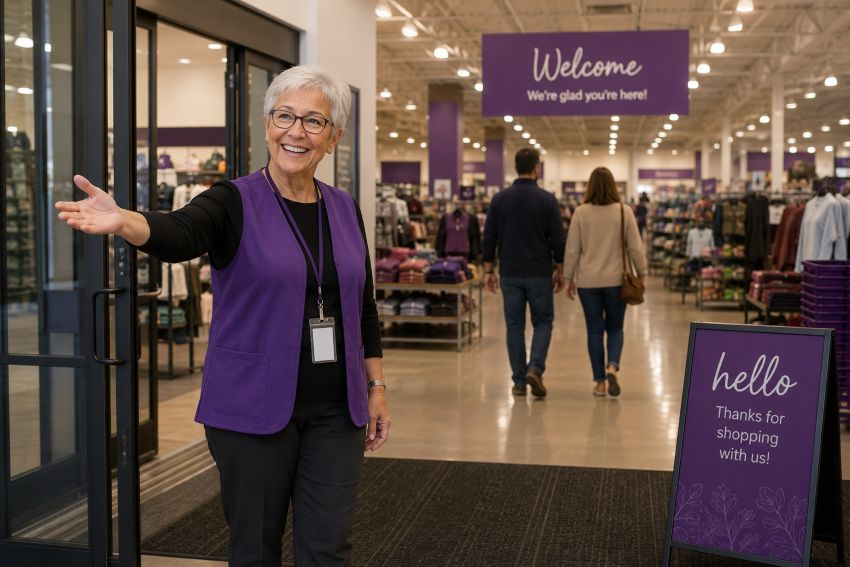
This is a powerful form of movement. It isn’t just about the steps; it’s about the integration of physical activity with social connection and purpose. They are meeting new people, contributing to society, and keeping their joints and minds nimble. This is movement with meaning.
Movement as a Cultural Legacy
As we age, movement becomes our greatest asset. It’s what preserves our independence. While practices like Tai Chi have been used for centuries to hone balance and stability, we don’t always need a formal program to find our rhythm. Whether it’s the quiet concentration of Qigong, the camaraderie of a walking group, or simply staying active through work and community involvement, the goal remains the same: keep the engine running.
Every culture on earth has its own dance, its own sport, its own tradition that celebrates the body. We are hardwired to be in motion.
Starting Where You Are
The hardest part isn’t the activity itself—it’s the hurdle of getting started. My advice has always been the same: start smaller than you think you need to. A ten-minute walk is infinitely better than the “perfect” workout that never happens. Consistency beats intensity every single time.
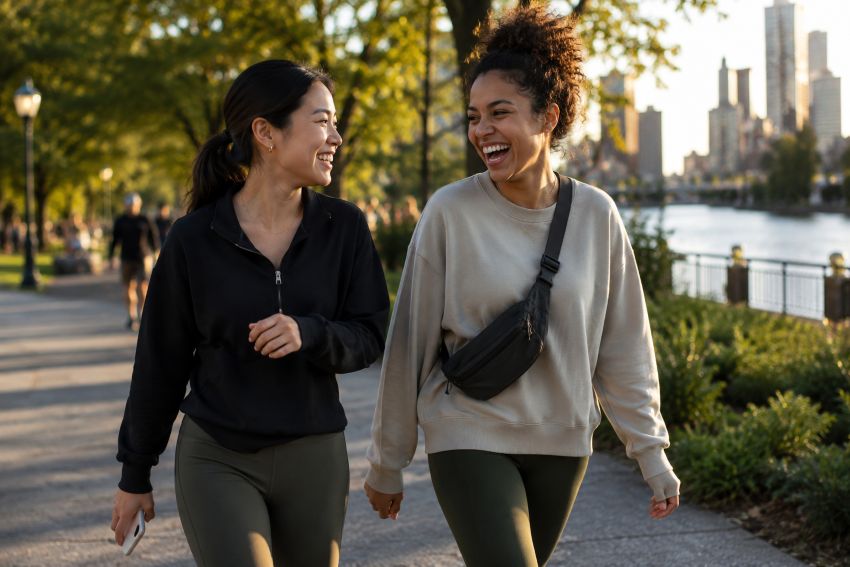
Ultimately, movement isn’t about burning calories or chasing a number on a scale. It’s about preserving your vitality so you can continue to participate fully in the things that bring you joy. No matter your age, there is a form of movement waiting for you. The best activity isn’t the one everyone else is doing; it’s the one you’ll actually enjoy enough to keep doing.